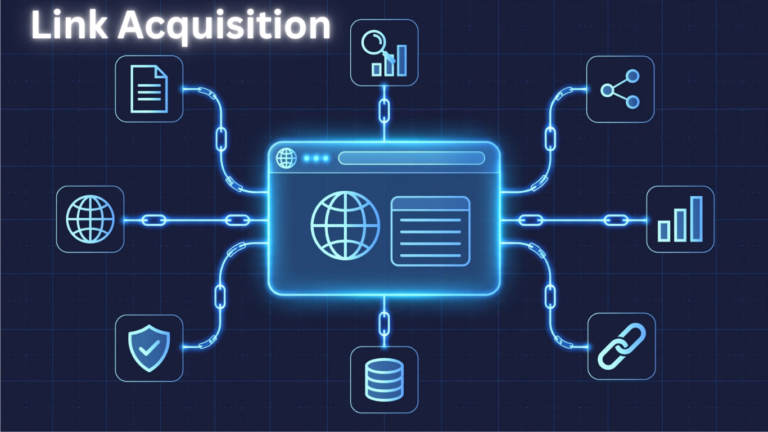
Link building has changed dramatically over the past few years.
Google no longer rewards websites simply because they have the most backlinks. Instead, it evaluates why a website earned those links, who is linking to it, and whether those links genuinely help users. Recent core updates, spam policies, and improvements to Google’s ranking systems have made manipulative link building far less effective.
Today, successful link building is about building authority not just acquiring links.
Rather than buying links or relying on outdated tactics, businesses should focus on creating valuable resources, becoming recognized experts, and earning mentions from trusted websites within their industry.
Here are ten link building strategies that continue to deliver results in 2026.
1. Create Original, Link-Worthy Content
Great content remains the foundation of successful link building but “great” now means original, authoritative, and genuinely useful.
Thousands of AI-generated articles are published every day. Most of them never attract a single backlink because they simply repeat information already available elsewhere.
Instead, focus on publishing content people can’t easily recreate.
Examples include:
- Original industry research
- Surveys
- Case studies
- Benchmark reports
- Statistics pages
- Ultimate guides
- Interactive calculators
- Templates
- Checklists
- Visual frameworks
Google increasingly rewards content demonstrating firsthand experience and expertise. Publishing original data gives journalists, bloggers, and industry publications a reason to cite your work.
Tip: Update your best-performing content every few months. Fresh statistics and current examples often attract new backlinks without creating entirely new articles.
2. Earn Links Through Digital PR
Digital PR has become one of the strongest white-hat link building strategies.
Instead of asking websites for backlinks, create stories worth covering.
Examples include:
- Original research
- Industry surveys
- Trend reports
- Unique company data
- Interactive studies
- Expert commentary
- Annual reports
- Local market insights
Journalists constantly need trustworthy sources.
If your business regularly publishes unique information, you’ll naturally earn links from news sites, industry blogs, and authoritative publications.
Digital PR creates backlinks while simultaneously increasing brand visibility and trust.
3. Contribute Expert Content (Not Mass Guest Posting)
Guest posting still works but only when done selectively.
Publishing hundreds of low-quality guest posts on irrelevant websites is exactly the type of pattern Google’s spam systems target.
Instead:
- Write for respected industry websites.
- Contribute expert opinions.
- Publish thought leadership.
- Share unique case studies.
- Focus on audiences rather than backlinks.
One article on a respected industry publication is often worth more than dozens of links from low-quality blogs.
The goal is building authority not simply acquiring anchor text.
4. Build Free Tools That People Want to Share
Useful tools consistently attract backlinks because they solve real problems.
Examples include:
- ROI calculators
- Pricing calculators
- SEO checklists
- Audit tools
- Generators
- Templates
- AI assistants
- Industry-specific calculators
Interactive resources naturally earn citations because people reference them repeatedly.
Unlike blog posts, good tools continue generating links for years.
5. Reclaim Brand Mentions
Many websites already mention your business without linking to it.
These are some of the easiest backlinks you’ll ever earn.
Monitor mentions of:
- Your company
- Products
- Founders
- Research
- Reports
- Podcasts
- Events
When you find an unlinked mention, politely ask the publisher if they’d consider adding a reference to help readers find the original source.
Since they already mentioned your brand, conversion rates are usually much higher than cold outreach.
6. Perform Competitor Link Gap Analysis
Don’t copy competitors.
Instead, understand why they’re earning links.
Modern SEO tools can identify:
- Publications linking to competitors
- Resource pages
- Industry directories
- Podcasts
- Roundups
- Research citations
- Digital PR opportunities
Ask yourself:
- Why did this website link?
- Could we provide something better?
- Can we offer more recent research?
- Can we create a stronger resource?
Your objective isn’t matching competitors it’s becoming a better source.
7. Resource Page Link Building
Resource pages continue to be valuable because their purpose is helping readers discover useful information.
Rather than emailing hundreds of websites with generic outreach, identify pages genuinely relevant to your content.
Successful outreach should explain:
- why your resource fits the page,
- how it improves their existing recommendations,
- and what value it adds for readers.
Quality always outperforms volume.
8. Build Relationships Before Building Links
Many of the best backlinks are never requested.
They’re earned through relationships.
Ways to build your network include:
- speaking at webinars,
- appearing on podcasts,
- contributing to industry newsletters,
- collaborating on research,
- participating in communities,
- attending conferences,
- engaging with creators on LinkedIn.
People naturally link to experts they already know and trust.
Networking remains one of the highest ROI SEO activities.
9. Focus on Local Authority Links
For local businesses, local relevance often matters more than sheer authority.
Look for opportunities through:
- Chambers of Commerce
- Industry associations
- Universities
- Community organizations
- Local sponsorships
- Business partnerships
- Local events
- City resource pages
These links reinforce both geographic relevance and brand trust.
10. Monitor Existing Links and Recover Lost Authority
Modern link building isn’t only about gaining new backlinks.
It’s equally important to protect the authority you’ve already earned.
Regularly monitor:
- Lost backlinks
- Broken pages
- Redirect errors
- Brand mentions
- Competitor gains
- Declining referring domains
Recovering lost links is often faster than building new ones.
Refreshing outdated content and fixing broken URLs can restore rankings without creating additional content.
What No Longer Works
Many traditional link building tactics have lost effectiveness or now carry significant risk.
Avoid strategies like:
- Buying links at scale
- Private Blog Networks (PBNs)
- Automated outreach
- Excessive reciprocal linking
- Low-quality guest post farms
- Spammy directory submissions
- Exact-match anchor text manipulation
- AI-generated outreach at scale
- Mass forum profile links
- Comment spam
Google’s spam detection systems have become increasingly effective at identifying unnatural link patterns.
Long-term success comes from earning links not manufacturing them.
Measuring Link Building Success
Backlinks are only one part of the equation.
Track metrics that reflect real business impact:
- Growth in referring domains
- Organic keyword rankings
- Brand search volume
- Referral traffic
- Organic conversions
- Assisted conversions
- Page authority growth
- Topical authority
- New keyword visibility
The best link building campaigns improve rankings, increase brand recognition, and generate qualified traffic not just higher backlink counts.
Final Thoughts
Modern link building is no longer about collecting as many backlinks as possible.
It’s about becoming a trusted source within your industry.
Businesses that invest in original research, useful resources, expert insights, and genuine relationships consistently earn the strongest backlinks and those links continue delivering value long after they’re acquired.
Focus on helping people first, and links become a natural by-product of your authority.